Contact Us!

Discover a united team working to provide reliable engineering solutions.

icon_widget_image Luni-Vineri: 9am - 6pm; Weekend: Închis icon_widget_image Splaiul Unirii nr. 165, TN Offices 2, et.8, Sector 3, București, România icon_widget_image +40 37 4063 488 Fax: +40 374 090 914
Extended Reality

How Extended Reality (XR) Helps Prevent Mistakes on Construction Sites2 min. de citit

Listen to this article Provider: Elevenlabs
Article narration 0:000:00

Voce generată cu AI.

During the construction phase, a problem identified too late can lead to corrective measures, additional costs, and delays. Extended Reality (XR) simulations give teams the ability to see more clearly what they are about to build before work begins.

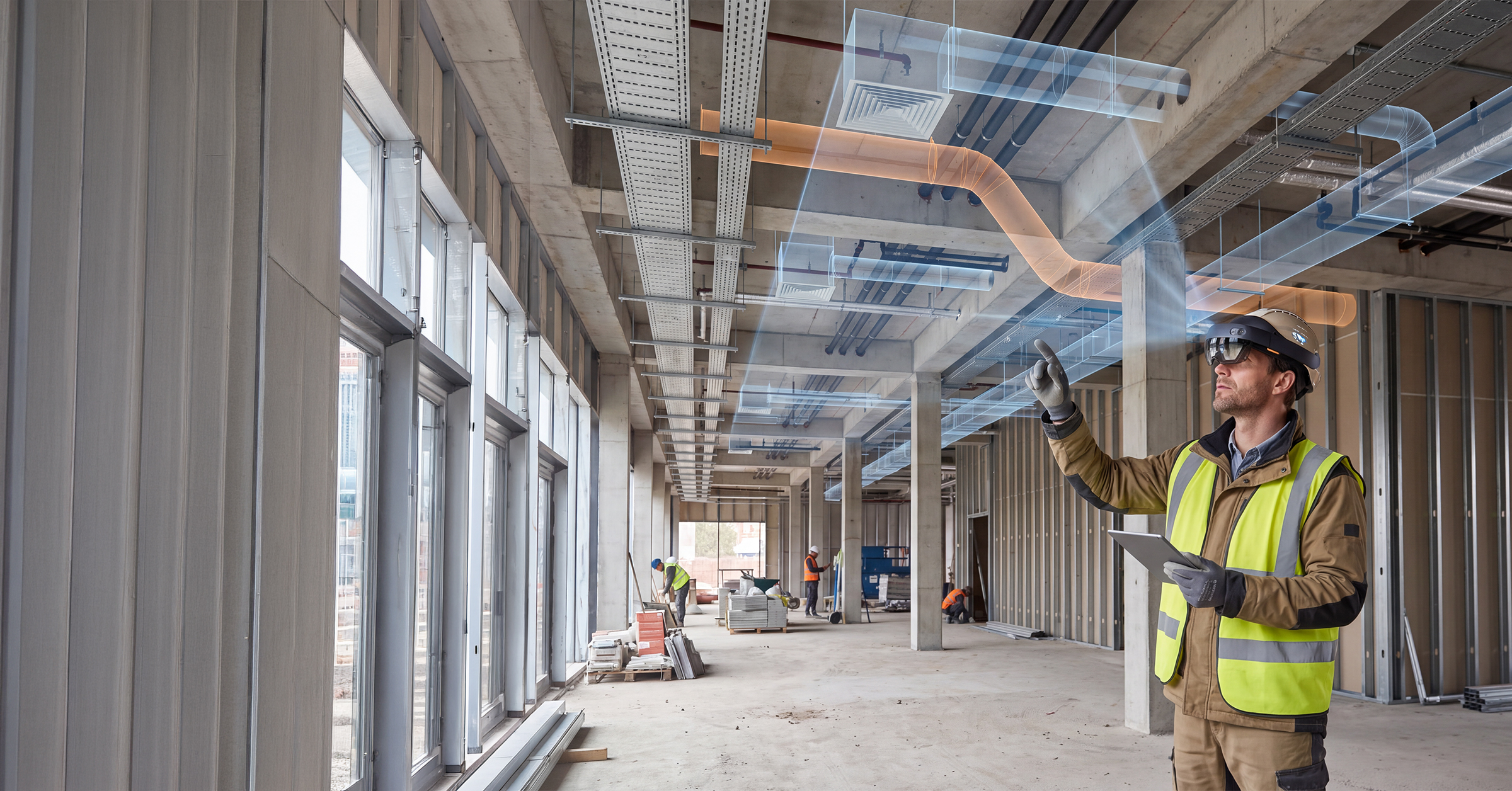
XR is an umbrella term for technologies such as augmented reality (AR), virtual reality (VR), and mixed reality (MR). Through these technologies, digital models can be explored in an immersive way or overlaid onto the real world, making technical information easier to understand directly within the context in which it will be implemented.

A “walkthrough” before construction

One of the most useful applications of XR is previewing construction projects. Teams can see how certain elements should be positioned and installed, where utilities will be routed through walls or floors, and whether there are areas where access or installation might be difficult.

Thus, problems that are hard to spot on a blueprint or even in a conventional 3D model can be identified before actual construction begins. According to an article published by Buildertrend, VR environments allow teams to explore projects from different perspectives better understand the scale and layout of spaces and make decisions before investing resources in construction.

In this sense, XR simulation can function as a “dress rehearsal” on-site: the technical solution is analyzed before implementation, and potential difficulties can be anticipated. At the same time, changes are still easier to make.

From Identifying Problems to Validating Solutions

XR can also be used to verify how the project aligns with the actual conditions on the construction site. By overlaying digital information onto the physical environment, specialists can verify the positioning of elements and more easily analyze whether the designed solution can be implemented under existing conditions.

Autodesk notes that XR technologies enable teams to interact with 3D models, identify potential problems early on, and conduct feasibility checks before construction begins. Identifying problems earlier can help reduce errors, material waste, and delays.

More Intuitive Training for Teams

Another advantage is the way XR can support training. Instead of information being conveyed solely through plans and explanations, teams can see in an immersive environment what needs to be done, where, and how. This can foster a shared understanding of the work before execution begins.

According to Geo Week News, AR or MR headsets can also be used to verify the positioning of components during construction, and virtual guidance can support technical activities such as pipe installation or work on electrical systems.

The value of XR, therefore, lies not merely in the spectacular visualization of a digital model. When used during the construction phase, the technology can help teams better understand the project, validate solutions before installation, and prevent some of the errors that would otherwise become apparent too late.

PRACTICĂ & INTERNSHIP